Charting Permission Architectures Across App Platforms to Curb Unauthorized Information Movement in Portable Devices
Written by Tina Schmitt · Jun 22, 2026
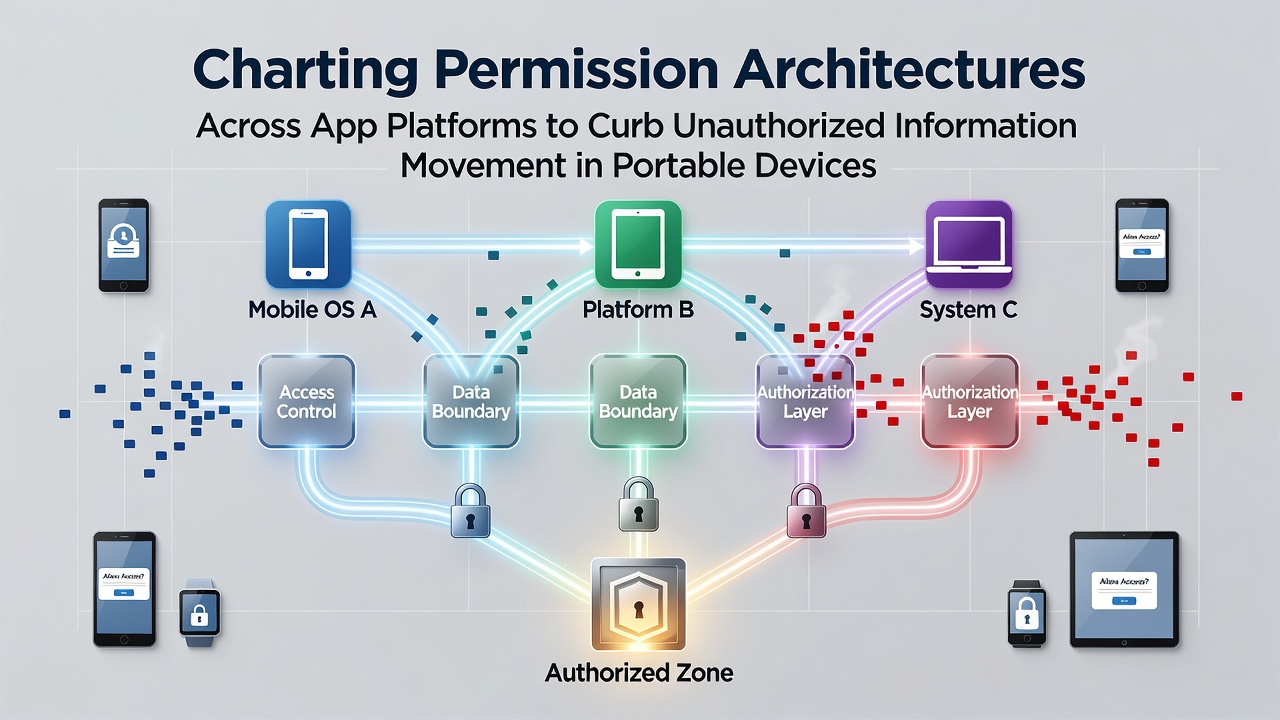
Charting Permission Architectures Across App Platforms to Curb Unauthorized Information Movement in Portable Devices
Permission architectures form the core defense mechanism in mobile operating systems where developers request access to device resources while users grant or deny those requests through structured interfaces. These systems evolved from simple install-time approvals to granular runtime controls that limit how applications interact with sensitive data such as location, contacts, and storage.
Platform Differences in Permission Models
Android implements a permission model centered on manifest declarations combined with runtime prompts introduced in version 6.0, and subsequent updates added scoped storage and one-time permissions that restrict background access. iOS relies on a privacy-focused framework where applications must declare usage descriptions and obtain explicit consent for features like camera or microphone, with additional controls appearing in later releases that allow users to limit tracking across apps.
Researchers at academic institutions have mapped these layers to identify gaps where data could move without explicit user awareness. Observers note that both ecosystems use sandboxing techniques to isolate app processes, yet the enforcement mechanisms differ in how they handle inter-app communication and cloud synchronization.
Technical Components of Permission Enforcement
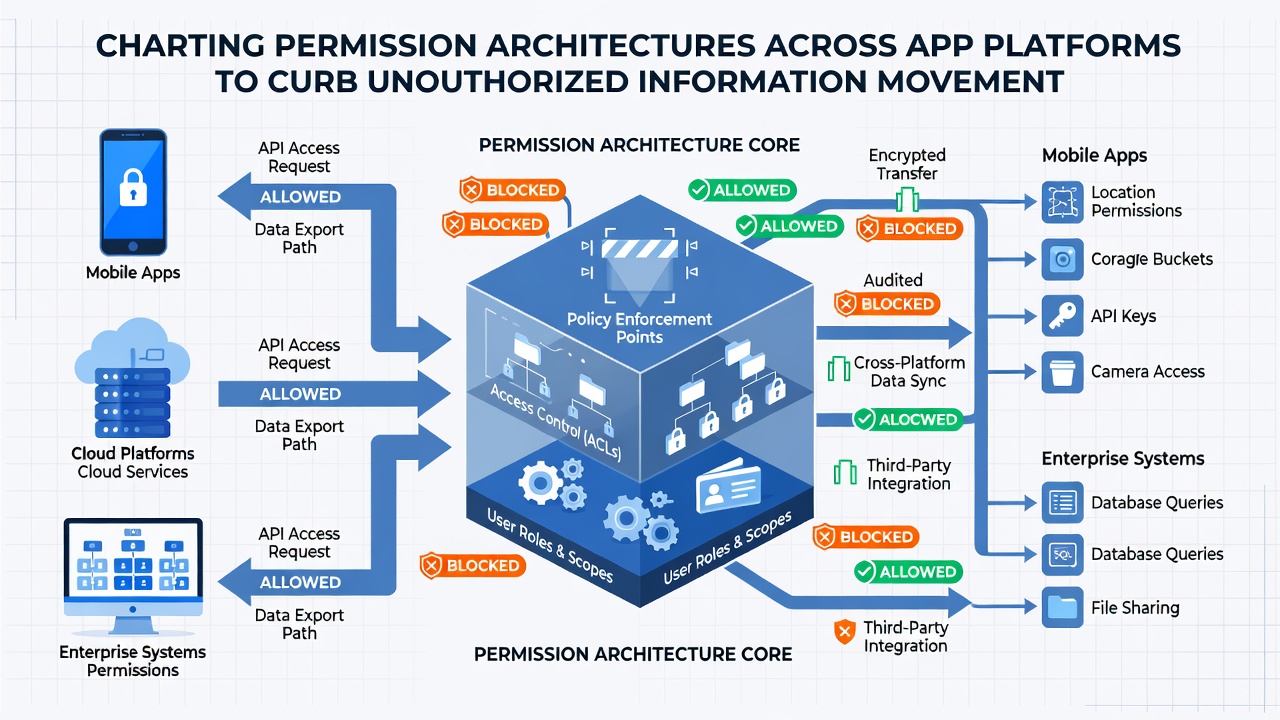
At the kernel level portable devices employ access control lists and capability-based systems that check permissions before allowing file reads or network transmissions. Application frameworks then layer additional checks such as permission brokers that mediate requests between the app and the operating system services. Data from industry reports shows these controls reduced certain classes of unauthorized access attempts when measured across large user bases.
Take one developer team that integrated permission audits into their build process and found measurable decreases in data exposure vectors during internal testing cycles. Experts have observed similar patterns when comparing permission logs before and after major platform updates that introduced stricter defaults.
Regulatory and Standards Influences
Government bodies have issued guidelines that shape how platforms design these architectures. The National Institute of Standards and Technology in the United States published mobile security frameworks that emphasize least-privilege principles and continuous monitoring of permission states. In parallel the European Union Agency for Cybersecurity released reports detailing best practices for consent management across portable environments, and these documents reference specific controls that align with existing platform implementations.
What's interesting is how platform vendors incorporated elements from these standards into their developer documentation while adapting them to their unique ecosystems. Data indicates that regions adopting such recommendations saw faster rollout of enhanced permission prompts in consumer devices.
Emerging Developments Around Mid-2026
Platform updates scheduled for June 2026 introduce expanded permission categories for emerging hardware such as advanced sensors and always-on connectivity modules. These changes build on prior models by adding context-aware prompts that evaluate request frequency and data destination before granting access. Studies from research consortia suggest the new layers could further constrain unintended information flows when combined with on-device machine learning classifiers that flag anomalous permission usage patterns.
People who've examined early beta releases often discover that developers must now provide more detailed justification strings for each permission request, and this requirement appears across both major platforms with slight variations in implementation.
Implementation Challenges and Measurement Approaches
Mapping permission architectures requires systematic analysis of application programming interfaces, manifest files, and runtime behavior logs. Tools developed by security researchers allow automated scanning of thousands of applications to detect over-privileged requests that could facilitate unauthorized movement. Figures from such scans reveal consistent categories of permissions that remain underutilized yet declared in many popular applications.
Yet the reality is that complete elimination of all leakage paths remains difficult because legitimate features sometimes require broad access that overlaps with sensitive data categories. Observers note ongoing work to refine these boundaries through platform-level changes rather than individual app modifications.
Conclusion
Permission architectures continue to serve as primary safeguards against unauthorized data movement on portable devices through layered controls that span user interfaces, application frameworks, and kernel mechanisms. Continued refinement across platforms, informed by standards from multiple regions, supports more precise management of information flows as device capabilities expand.