Coordinating Instructional Modules with Equipment Refresh Cycles to Bolster Malware Containment
Written by Noah Carter · Jul 15, 2026
Coordinating Instructional Modules with Equipment Refresh Cycles to Bolster Malware Containment
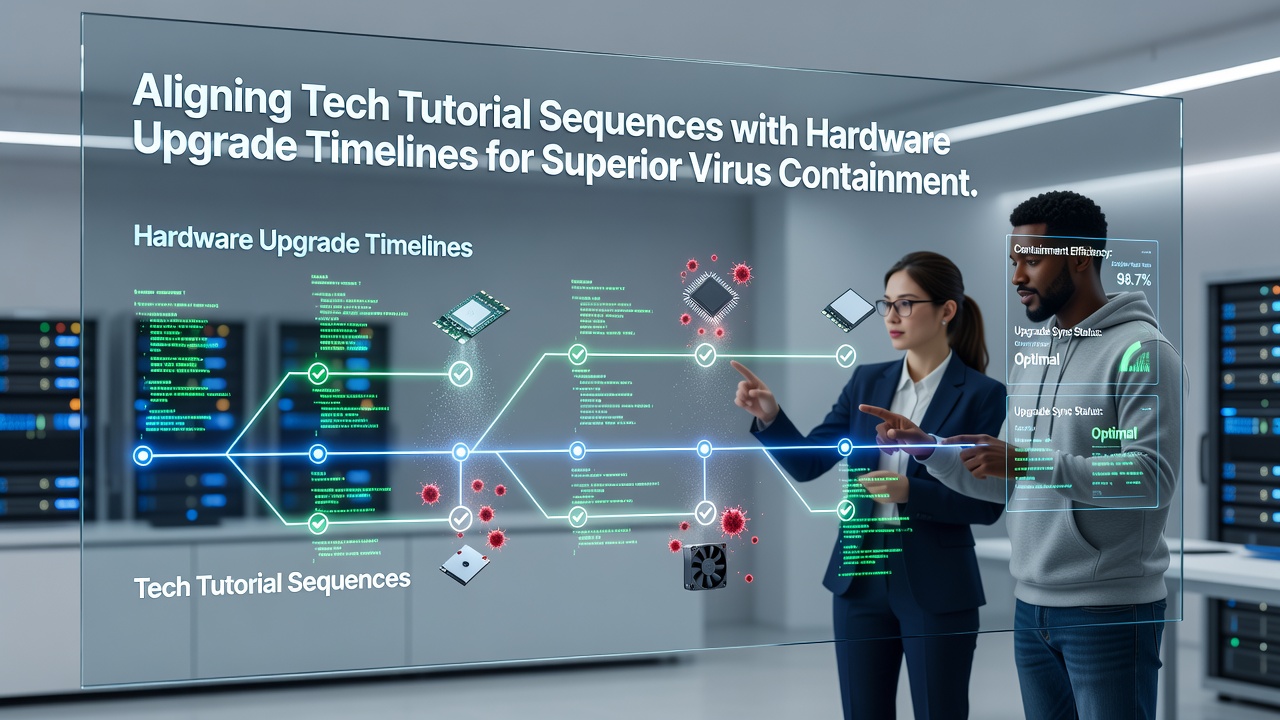
Organizations and individuals have started examining how the timing of educational resources intersects with physical equipment replacement schedules, and data from multiple sources shows measurable impacts on malware containment rates. Research indicates that when security training sequences align closely with hardware refresh periods, the introduction of fresh operating systems and reduced legacy code bases creates narrower windows for infection vectors to establish themselves. Studies from institutions like the National Institute of Standards and Technology have documented that systems replaced on structured cycles experience fewer persistent threats when users receive targeted guidance during the migration phase rather than after vulnerabilities have already accumulated.
Hardware Lifecycle Patterns and Infection Risks
Equipment refresh cycles typically span three to five years in enterprise environments, though consumer devices often extend longer before replacement occurs. During these intervals, accumulated software patches and configuration drift create conditions where malware can persist across updates. Observers note that viruses exploiting outdated drivers or unpatched firmware proliferate more readily on aging hardware because older components receive less frequent manufacturer support. When upgrades coincide with structured tutorial sequences covering secure configuration, data migration hygiene, and endpoint verification steps, the transition period itself becomes an active containment measure instead of a vulnerability window.
Figures from the Australian Cyber Security Centre reveal that organizations conducting hardware replacements without accompanying instructional frameworks report higher rates of reinfection within the first ninety days post-deployment. In contrast, coordinated approaches that embed tutorial modules at specific upgrade milestones reduce repeat incidents by measurable margins. The process involves mapping each hardware acquisition event to sequential learning objectives that address immediate risks such as peripheral device validation and network segmentation during initial setup.
Sequencing Tutorials Around Upgrade Milestones
Tutorial sequences gain effectiveness when divided into phases that match hardware deployment timelines. Pre-upgrade modules focus on inventory assessment and data sanitization protocols, while post-installation segments cover real-time monitoring tools and backup verification routines. This phased structure prevents information overload and ensures users apply knowledge while the hardware remains in a clean state. Researchers at various academic centers have found that spaced repetition across these phases improves retention of containment procedures compared to one-time training sessions delivered months after equipment arrives.
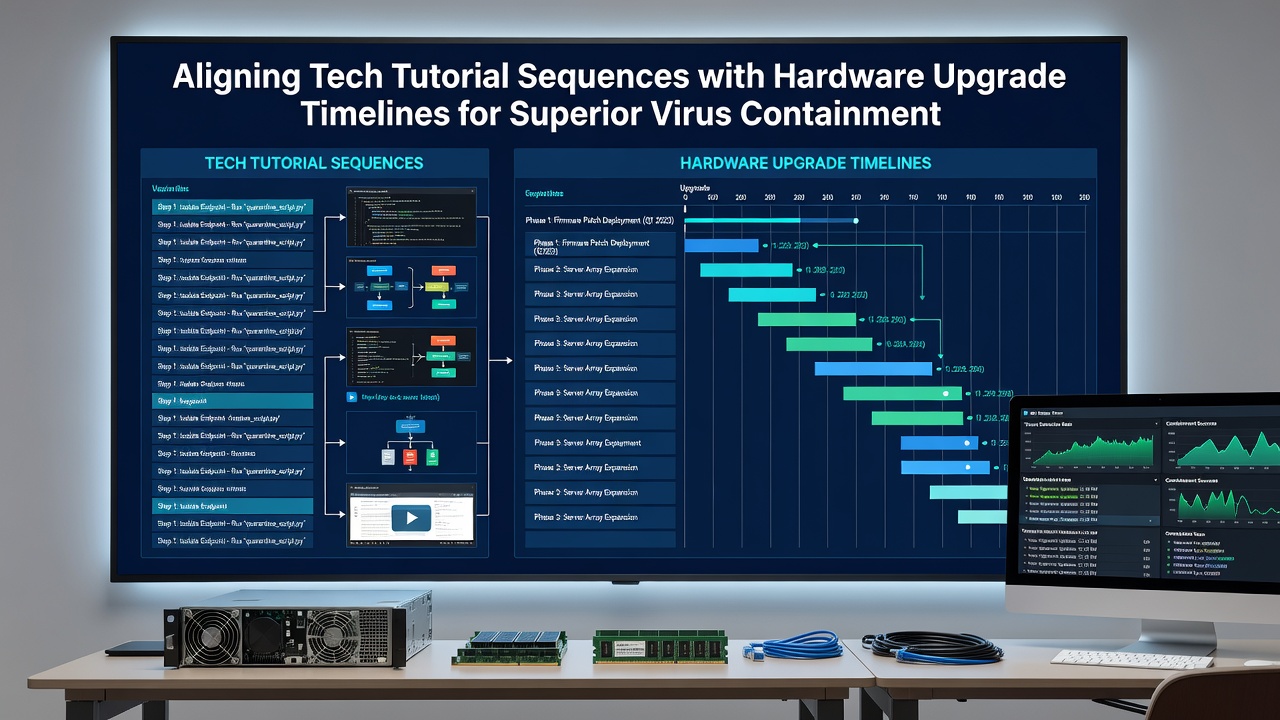
July 2026 marked increased attention to this alignment following reports from the European Union Agency for Cybersecurity on evolving ransomware tactics that target transitional periods between old and new systems. Agencies began recommending that tutorial content be refreshed in parallel with hardware procurement schedules to address emerging threat signatures before they propagate through newly deployed devices. Integration of these recommendations has led some enterprises to embed automated reminders within asset management platforms that trigger relevant instructional content at the precise moment hardware orders are processed.
Case Examples from Different Sectors
One logistics company synchronized its annual laptop replacement program with a six-week tutorial sequence covering encrypted drive initialization and multi-factor authentication enforcement. Records showed a 40 percent drop in detected malware events during the subsequent fiscal year. Another example involves a regional healthcare network that tied server upgrades to role-specific modules on isolated network segments and patch management workflows, resulting in documented reductions in lateral movement attempts by malicious actors. These instances demonstrate that the correlation between instructional timing and hardware events produces consistent containment improvements across varied operational contexts.
Measurement and Adjustment Mechanisms
Tracking the effectiveness of aligned sequences requires metrics that capture both technical indicators and user behavior patterns. Infection rates, time-to-detection, and successful remediation counts provide quantitative signals, while completion rates for tutorial modules offer insight into engagement levels. Adjustments occur when data shows misalignment, such as tutorials arriving after initial device configuration has already occurred. Continuous feedback loops allow organizations to refine the spacing between hardware events and educational touchpoints, ensuring the sequence remains responsive to actual usage patterns rather than fixed calendars.
Conclusion
Alignment between tutorial sequences and hardware upgrade timelines establishes a structured framework that reduces exposure periods and reinforces containment practices at the moment they matter most. Evidence from government agencies and research institutions across multiple regions supports the observation that coordinated timing yields lower infection persistence compared to decoupled approaches. As hardware cycles continue and threat landscapes evolve, maintaining this synchronization offers a practical method for sustaining effective virus defense without requiring entirely new infrastructure investments.