Coordinating Remote Troubleshooting Protocols and Security Standards for Multi-Device Data Ecosystems
Written by Noah Carter · Aug 3, 2026
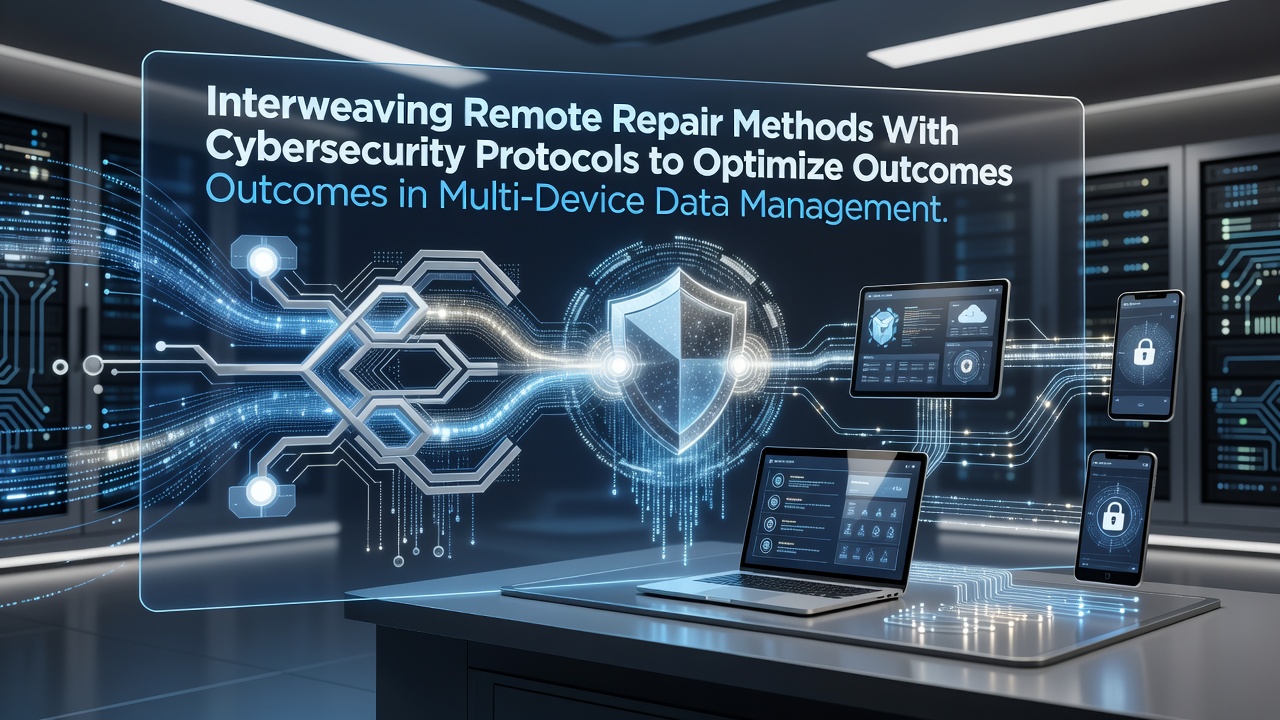
Coordinating Remote Troubleshooting Protocols and Security Standards for Multi-Device Data Ecosystems
Organizations managing data across numerous devices have turned to combined approaches that link remote repair methods directly with cybersecurity protocols, and these integrations address both operational continuity and threat mitigation in unified workflows. Data from industry reports show that device counts in enterprise environments have risen steadily since 2023, while remote access tools handle diagnostics and updates without requiring physical presence at each location.
Core Elements of Remote Repair in Data Management
Remote repair methods rely on secure connections that allow technicians to diagnose hardware faults, apply software patches, and restore configurations from centralized platforms, and these processes reduce downtime when implemented alongside encryption standards that protect data in transit. Studies conducted by academic institutions indicate that such methods cut average response times by up to 40 percent in multi-device setups, because automated scripts identify issues across networks before they escalate into broader failures.
Technicians use encrypted tunnels to access device logs and run diagnostic commands, while authentication layers verify each session against predefined access policies. Figures from government sources reveal that adoption of these techniques increased notably after 2024, as more entities shifted resources toward distributed workforces that depend on consistent device performance.
Integration Points Between Repair Methods and Security Protocols
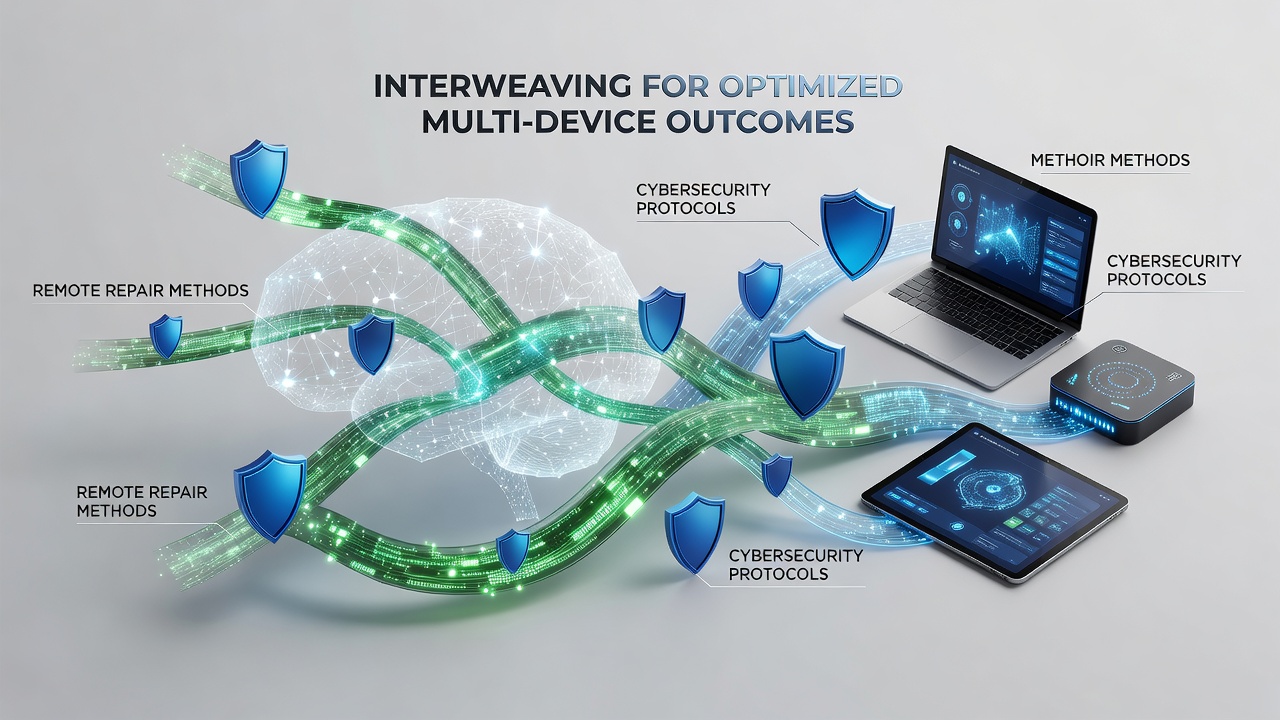
Security protocols supply the framework that validates remote repair actions, and they enforce role-based permissions that limit which commands can execute on specific device groups. When repair tools incorporate real-time threat scanning, anomalies detected during a session trigger immediate isolation procedures that prevent lateral movement across the network. Observers note that this layering becomes essential in environments where devices range from laptops to IoT sensors, because each category carries distinct vulnerability profiles that require tailored controls.
One case documented by research teams at a Canadian university demonstrated how combining patch deployment with endpoint detection reduced successful intrusion attempts by measurable margins during simulated attacks. The process works by routing every remote command through monitoring gateways that log activities for later review, and this creates audit trails that support compliance requirements in regulated sectors.
As of August 2026, updates to international standards emphasize tighter coupling between these domains, and agencies such as ENISA have published guidelines that outline minimum encryption strengths for remote sessions. These updates align with similar recommendations from NIST on access management, creating consistent benchmarks that organizations can reference when scaling operations.
Practical Implementation Across Device Networks
Implementation begins with mapping device inventories to identify which units support remote access and which require additional hardware modules for secure connectivity. Teams then configure centralized consoles that push repair scripts only after security checks confirm the absence of known exploits, and this sequence minimizes exposure windows during maintenance windows. Data indicates that phased rollouts, starting with non-critical devices, allow teams to refine protocols before expanding to production systems.
Monitoring dashboards aggregate metrics from both repair logs and security alerts, enabling pattern recognition that flags recurring issues tied to specific device models or software versions. Researchers have observed that such visibility supports proactive measures, because early detection of firmware weaknesses prevents widespread data inconsistencies across synchronized fleets.
Challenges and Measured Responses in Combined Systems
Bandwidth constraints and latency variations can affect the reliability of remote sessions, yet protocol adjustments that prioritize essential commands over full diagnostics help maintain functionality. Encryption overhead adds processing demands on older hardware, and organizations address this by scheduling intensive tasks during low-usage periods. Evidence from multiple studies shows that regular testing of failover mechanisms ensures repair operations continue even when primary security channels encounter disruptions.
Training programs focus on equipping personnel with knowledge of both repair utilities and threat indicators, because integrated systems require operators who recognize when a seemingly routine fix might mask malicious activity. Cross-functional teams that include security analysts and support staff produce more resilient procedures, according to reports compiled by regional technology consortia.
Conclusion
Coordination of remote repair methods with cybersecurity protocols produces measurable gains in uptime and data integrity for multi-device environments, and ongoing standard refinements continue to shape these practices. Entities that align their tools and policies around shared verification steps report fewer incidents that impact stored information, while maintaining the flexibility needed for distributed operations. Continued monitoring of protocol updates remains necessary as device ecosystems expand.