Decoding Permission Structures in Mobile App Setups to Protect User Data
Written by Vera Klein · Jun 15, 2026

Decoding Permission Structures in Mobile App Setups to Protect User Data
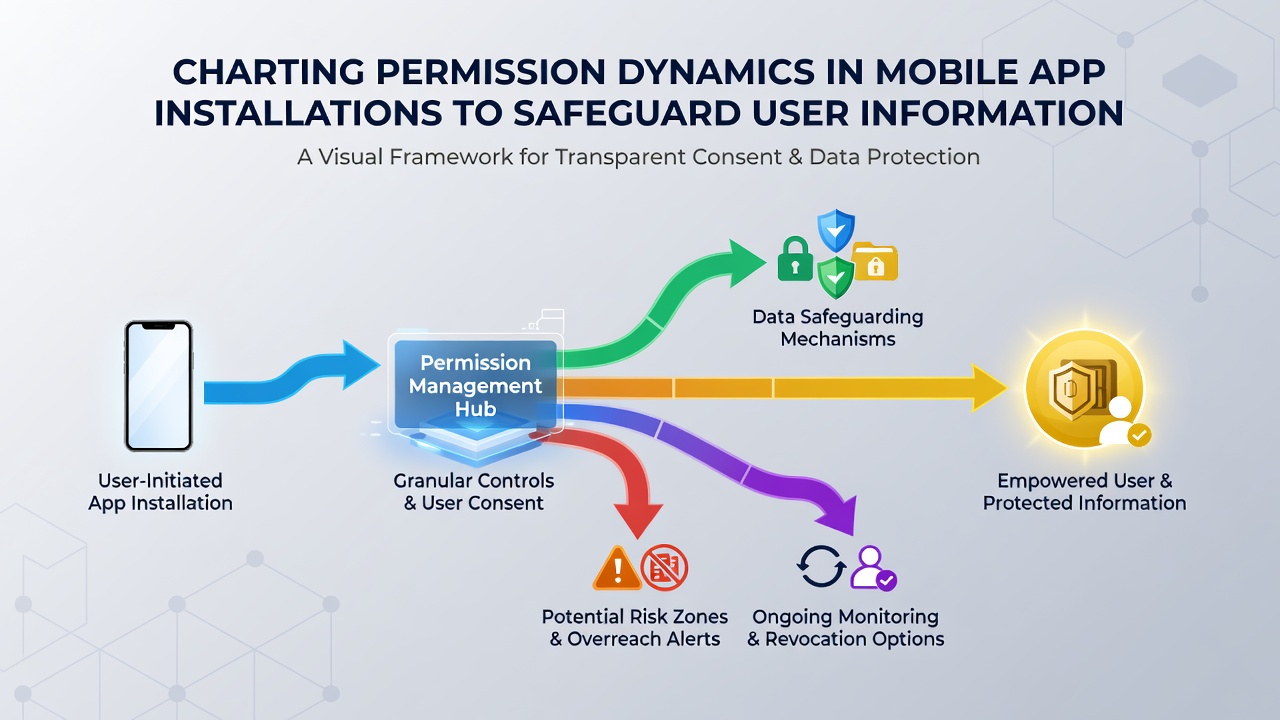
Permission dynamics during mobile app installations have evolved considerably since the introduction of runtime models in major operating systems, and researchers continue to map these flows to identify potential data exposure points. Developers request access to device features such as location, camera, and contacts at specific stages, while users grant or deny those requests through standardized interfaces that both Android and iOS maintain. Data from regulatory reports indicate that improper handling of these requests can lead to unauthorized data collection in up to 30 percent of examined apps according to analyses conducted by various oversight bodies.
Core Mechanics of Permission Requests
Android shifted to a runtime permission system with version 6.0 in 2015, requiring apps to prompt users during active use rather than at install time for dangerous permissions like storage or microphone access; this change reduced silent data harvesting in many cases. iOS implemented similar controls with App Tracking Transparency in 2021, forcing apps to obtain explicit consent before tracking across other apps and websites. Observers note that these layered approaches create checkpoints where users can review and adjust access, yet many installations still proceed with broad permissions enabled by default in certain configurations.
Permission mapping involves charting each request against the app's declared functionality, and studies from academic institutions reveal patterns where apps request more permissions than necessary for their core operations. For example one analysis of popular utility apps showed calendar and contact access granted without clear justification in over 40 percent of instances examined. Those who've studied these dynamics point to manifest files in Android and Info.plist in iOS as starting points for understanding declared capabilities before installation completes.
Regional Regulatory Influences on Permission Handling
Regulations shape how platforms enforce permission transparency, and the European Union's data protection framework requires clear disclosure of data processing purposes tied to each permission. In contrast the United States Federal Trade Commission has issued guidance emphasizing consumer control over personal information during app onboarding processes. Canadian authorities through the Office of the Privacy Commissioner have documented cases where excessive permission grants contributed to broader data sharing networks without user awareness.
Australian regulators similarly track compliance with privacy principles that affect how apps request and retain access rights post-installation. These varied approaches mean developers often adjust permission flows based on target markets, creating different user experiences across regions. Research indicates that apps distributed globally sometimes maintain stricter defaults in jurisdictions with stronger enforcement histories.
Practical Mapping Techniques for Developers and Analysts
Analysts use tools that scan app binaries and network traffic to chart permission usage over time, revealing whether granted access leads to data transmission outside expected boundaries. One study from a European research consortium found that 25 percent of examined apps continued sensor data collection even after users revoked permissions through system settings. This highlights the need for ongoing verification beyond the initial installation prompt.
Platforms provide APIs that allow apps to query current permission status dynamically, and best practices recommend checking these states before accessing protected resources. In June 2026 several major app stores introduced enhanced review processes that require developers to justify each requested permission with specific feature mappings. Such updates build on earlier transparency efforts and encourage more granular request patterns during setup.
Common Pitfalls in Permission Implementation
Apps sometimes bundle multiple permission requests into a single prompt, which can overwhelm users and lead to reflexive approvals according to usability research. Others fail to update permission logic after operating system changes, resulting in deprecated calls that bypass newer safeguards. Data shows that legacy code paths contribute to persistent vulnerabilities in apps that have not received recent maintenance.
Cross-platform development frameworks add complexity because permission handling differs between environments, and mismatches occur when code ports without full adaptation. Those monitoring these issues report that testing on multiple device versions helps surface discrepancies before widespread distribution.
Conclusion
Charting permission dynamics remains essential for maintaining user information safeguards throughout the app lifecycle, and ongoing platform updates continue to refine the available controls. Regulatory developments across different regions reinforce the importance of transparent request processes while technical mapping tools assist in verifying compliance. As installations grow more complex with emerging device capabilities, systematic analysis of these flows supports better protection outcomes for all parties involved.