Device Interplay Patterns Reveal Security Considerations During Hardware Transitions in Multi-User Households
Written by Noah Carter · Jul 6, 2026
Device Interplay Patterns Reveal Security Considerations During Hardware Transitions in Multi-User Households
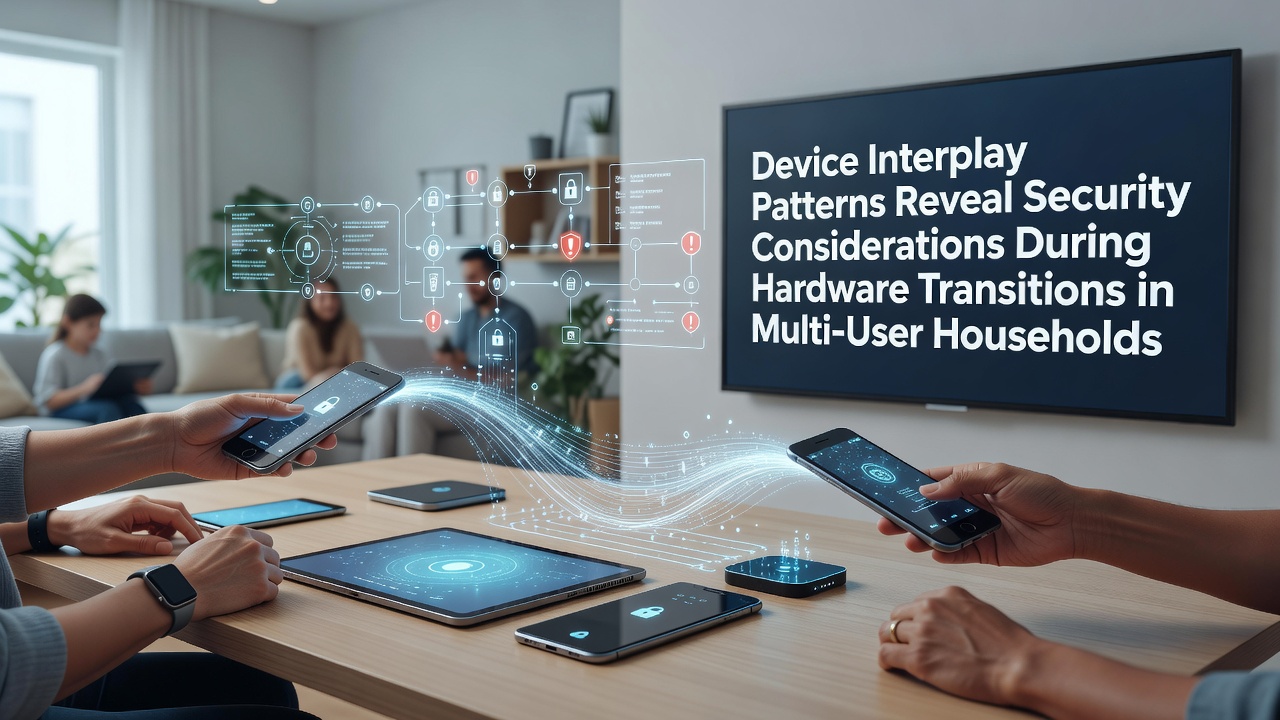
Device interplay in shared households creates layered security dynamics that shift noticeably when hardware changes occur, and researchers have mapped these patterns through network traffic analysis and permission audits across various living situations. Multiple users often share routers, smart appliances, and cloud-linked gadgets, so one replacement can alter authentication flows, data routing paths, and access controls for everyone connected to the same environment. Studies from academic institutions show that these transitions frequently expose previously hidden dependencies between devices, particularly when older hardware with legacy protocols gets swapped for newer models that enforce stricter encryption standards.
Mapping Interconnected Device Behaviors
Observers note that households with three or more residents typically maintain between fifteen and twenty-five active endpoints at any given time, and each new device addition or replacement modifies the overall trust graph in measurable ways. When a primary computer gets upgraded, for instance, connected phones and tablets may inherit new certificate requirements that force re-authentication across the network, and this process can temporarily open windows for unauthorized access if session tokens remain cached on intermediate routers. Data collected by security firms indicates that such ripple effects appear most clearly during the first seventy-two hours after a transition, when devices renegotiate their roles within the local ecosystem.
Patterns emerge around shared accounts and synchronized backups, because family members commonly link multiple gadgets to the same cloud services, and hardware swaps disrupt these linkages in predictable sequences. A new smartphone introduced into the mix may pull down stored credentials from an older tablet that still operates under previous security settings, and this transfer can bypass updated two-factor requirements if the receiving device lacks current firmware patches. Research groups tracking these behaviors have documented cases where a single hardware change triggered permission escalations across five or more unrelated applications within twenty-four hours.
Security Implications of Routine Hardware Changes
Hardware transitions in multi-user settings reveal vulnerabilities tied to residual network configurations and lingering device pairings, and these issues surface most often during router replacements or smart home hub upgrades. Older routers frequently retain static IP assignments and open ports that newer units close by default, yet connected devices sometimes retain outdated address mappings that create inconsistent firewall rules across the household. According to findings published by the Cybersecurity and Infrastructure Security Agency, households undergoing router transitions experienced a measurable uptick in anomalous outbound traffic during the reconfiguration window, with peaks occurring between forty-eight and ninety-six hours post-installation.
Smart speakers and connected appliances add another dimension, since these devices often maintain persistent pairings with mobile applications that carry over across hardware generations. When a primary phone gets replaced, the speaker may continue accepting commands from cached authentication tokens until manual re-pairing occurs, and this lag creates opportunities for unintended access if multiple residents share the same application profile. Figures released in July 2026 by the European Union Agency for Cybersecurity highlighted similar patterns in European households, where voice assistant ecosystems showed elevated risk scores during transition periods compared with stable device environments.
Observed Patterns Across Different Household Types
Those who have examined large-scale telemetry data find that patterns vary by household size and device density, with larger families encountering more complex interplay because each member introduces distinct usage schedules and application preferences. In homes where residents work remotely, laptop replacements tend to coincide with increased VPN traffic that affects bandwidth allocation for entertainment devices, and these shifts sometimes mask subtle security probes that blend into normal activity spikes. University-led projects analyzing anonymized logs have identified recurring sequences where a new gaming console, for example, pulls high-bandwidth connections that temporarily reduce monitoring visibility on other network segments.
Multi-generational households present distinct considerations because older residents may retain devices with outdated operating systems that resist modern security protocols, and new hardware introduced by younger members can create compatibility gaps. When these older units attempt to communicate with updated systems, fallback mechanisms sometimes activate that lower encryption levels across the entire network until manual intervention restores higher standards. Observers tracking these dynamics report that such fallback events appear in roughly one out of every three documented hardware transitions involving mixed device ages.
Addressing Transition-Related Risks
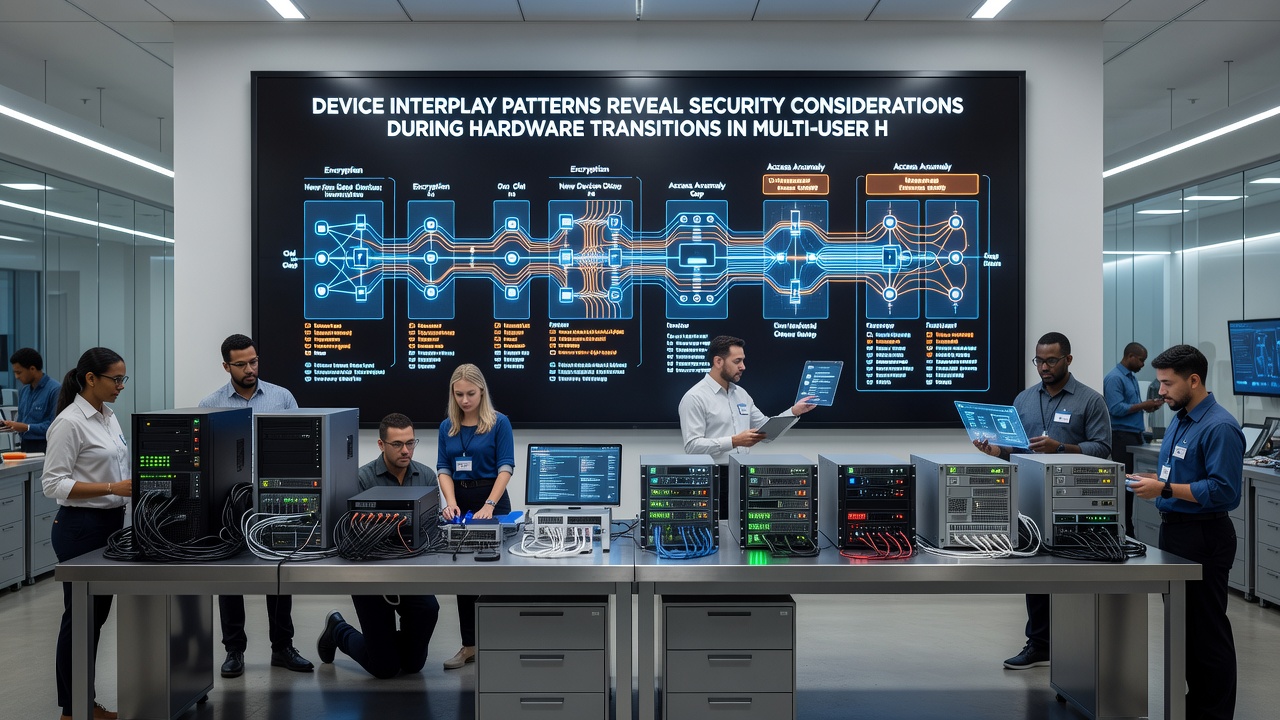
Practical responses to these patterns include systematic inventory updates and staged rollout procedures that limit simultaneous changes across multiple device categories, and organizations publishing guidance recommend verifying all active pairings before completing hardware swaps. Network segmentation tools now allow residents to isolate new devices during initial setup phases, thereby containing any unforeseen permission leaks until full integration testing finishes. Industry reports emphasize that maintaining separate guest networks for transitional devices reduces the surface area exposed during these periods, and data from controlled studies supports the effectiveness of this approach in limiting lateral movement opportunities.
Regular firmware checks and centralized management applications further stabilize the environment by ensuring that every endpoint receives consistent policy updates regardless of individual hardware refresh cycles. When households adopt these measures, telemetry shows reduced incidence of the permission cascade effects that previously accompanied routine upgrades.
Conclusion
Device interplay patterns in multi-user households continue to evolve alongside hardware capabilities, and the security considerations that surface during transitions reflect deeper structural relationships among connected endpoints rather than isolated device flaws. Continued monitoring of these dynamics provides households with actionable information for managing changes without introducing unnecessary exposure windows, and the data gathered through systematic observation supports more resilient network configurations over time.