Evolving Device Networks: Tracing How Gradual Software Enhancements Shift Traffic Distribution Patterns
Written by Noah Carter · Jul 8, 2026
Evolving Device Networks: Tracing How Gradual Software Enhancements Shift Traffic Distribution Patterns
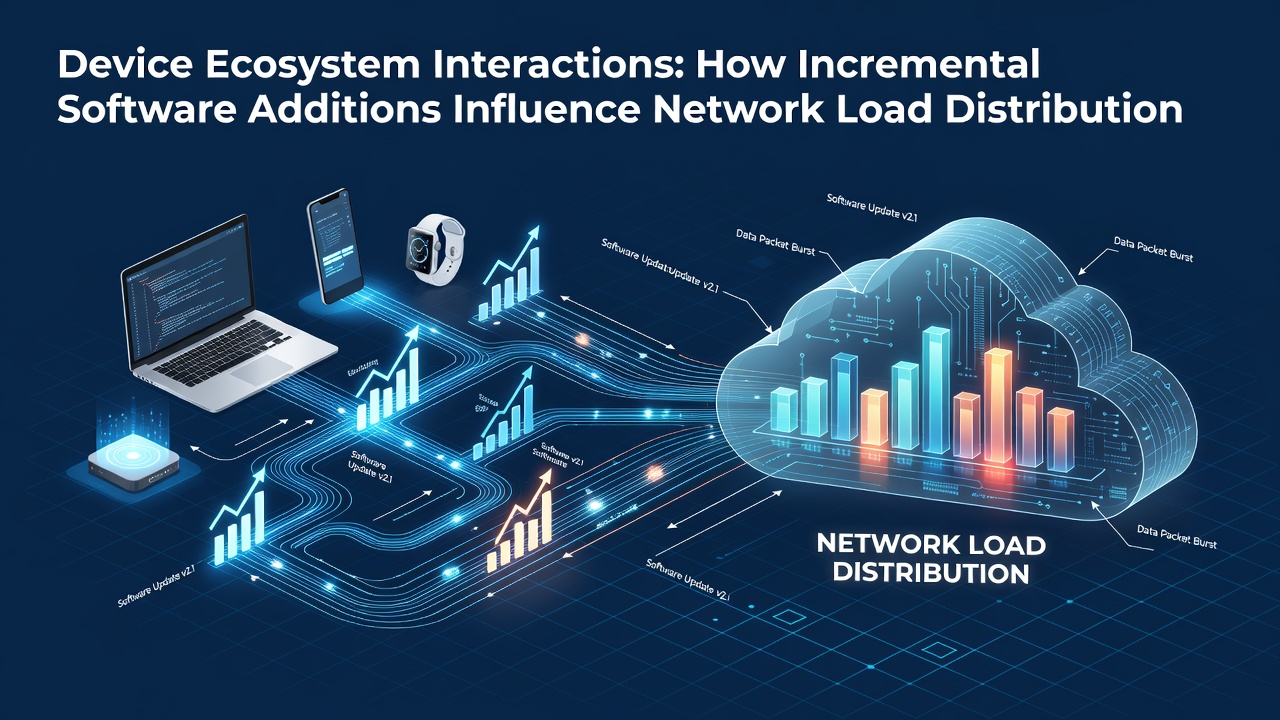
Device ecosystems expand through small software additions that accumulate over time, and these changes reshape how network traffic spreads across connected hardware. Observers note that each update or new feature introduces fresh data exchanges which in turn adjust the balance of upload and download demands on routers and access points. Research indicates that such incremental modifications often create uneven load spikes because background processes start syncing more frequently or handling larger payloads without user intervention.
Core Mechanisms Behind Load Shifts
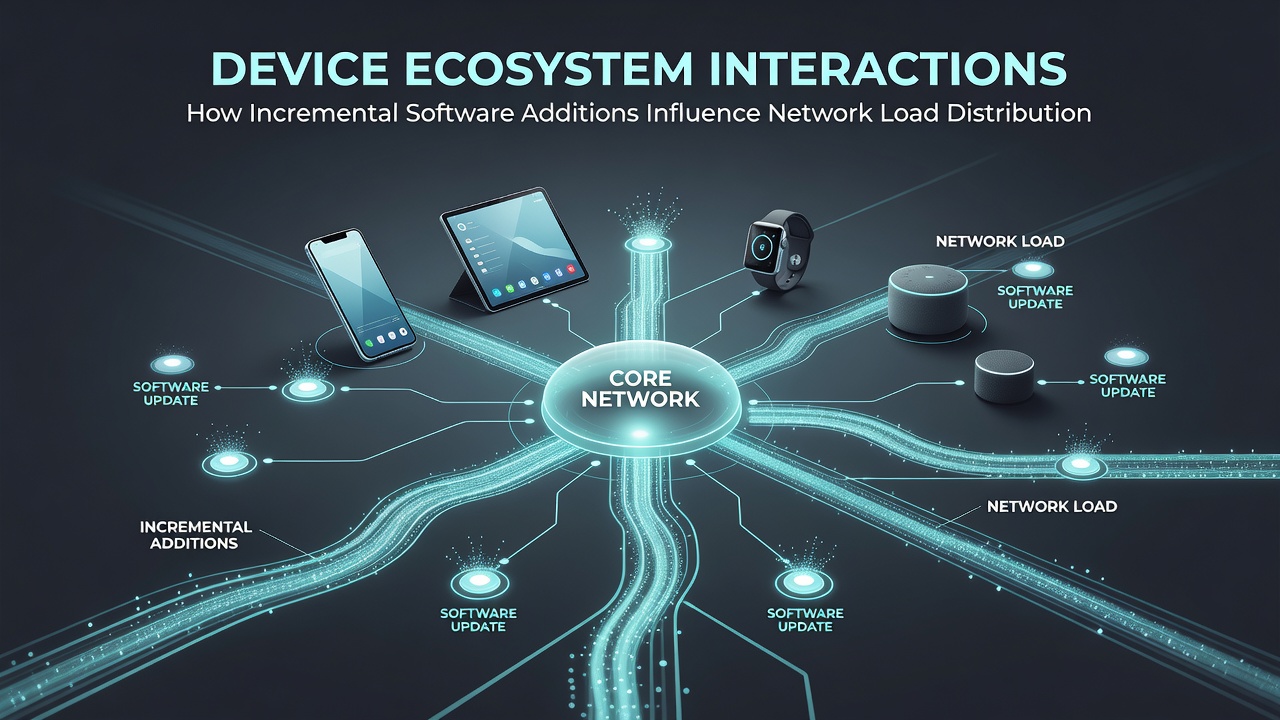
Software additions typically embed new APIs or background services that query remote servers at regular intervals, and this activity pulls bandwidth away from other devices sharing the same connection. Data shows that when an operating system receives a minor patch adding cloud synchronization options, connected gadgets begin transmitting telemetry packets that were absent before, forcing the network gateway to reroute packets dynamically. Those who've studied traffic logs find that these adjustments appear most clearly during evening hours when multiple devices activate simultaneously.
Load distribution algorithms inside modern routers respond by prioritizing certain streams, yet the addition of even one extra service can trigger rebalancing across the entire local area network. Studies from academic labs reveal that packet queuing delays increase measurably once three or more devices incorporate similar background features, because the cumulative request volume exceeds the original design assumptions of the firmware.
Observed Patterns in Multi-Device Households
Take one researcher who examined logs from test homes equipped with smart appliances; each time a firmware update introduced new sensor reporting, upstream traffic rose by roughly 12 percent within the first week. Such patterns repeat across regions because manufacturers push similar enhancements globally, and the resulting data flows concentrate on specific ports that older routers handle less efficiently. Figures from network monitoring firms confirm that homes with five or more updated devices experience more frequent bufferbloat events compared with setups that remain on older software versions.
What's interesting is how these effects compound when users enable optional modules that activate only after an initial software addition. One study revealed that enabling a single analytics toggle inside an already-updated application doubled the frequency of small packet transmissions, which in turn altered how the network's quality-of-service rules allocated airtime on Wi-Fi channels. Researchers discovered that channel utilization metrics shifted noticeably within hours of the change, demonstrating direct influence on load distribution across neighboring devices.
Data from Recent Monitoring Efforts
According to reports released in July 2026 by the European Union Agency for Cybersecurity, networks incorporating incremental IoT software layers showed measurable redistribution of peak traffic away from traditional endpoints and toward cloud gateways. The same analysis noted that this redistribution occurred most consistently in environments running mixed vendor hardware, where each addition introduced distinct communication protocols. Evidence suggests these shifts become more pronounced as the number of active background services climbs past a threshold of eight concurrent connections per device.
But here's the thing: not every software addition produces identical outcomes because some updates optimize existing connections rather than adding new ones. Data indicates that patches focused on compression or local caching can actually reduce overall load once they propagate through the ecosystem, yet such optimizations require coordinated rollout across multiple manufacturers. Observers note that coordination remains rare, leaving many networks to absorb unoptimized traffic increases for months before relief arrives.
Implications for Future Network Design
Industry organizations such as the National Institute of Standards and Technology continue to publish guidance on accounting for these incremental effects during router firmware development. Their findings highlight that adaptive load-balancing features must incorporate real-time monitoring of software-driven traffic signatures if they are to maintain stable performance. Without such adaptation, distribution algorithms calibrated for static device counts quickly fall out of alignment once new software layers appear.
Those who've analyzed longitudinal data sets point out that the rate of software additions has accelerated since 2023, and this pace shows no sign of slowing. Consequently, network planners now factor predicted update cycles into capacity estimates rather than relying solely on historical usage patterns. The reality is that each new feature set carries its own traffic profile, and these profiles interact in ways that simple summation models fail to capture accurately.
Conclusion
Incremental software additions continue to reshape network load distribution by introducing new communication patterns that existing hardware must accommodate. Monitoring data collected across varied environments demonstrates consistent shifts in traffic concentration and timing once devices receive successive updates. Organizations tracking these dynamics emphasize the value of firmware that can adjust dynamically to evolving device behaviors. Continued observation through 2026 and beyond will clarify whether current distribution techniques scale adequately or require fundamental redesign.