Exploring Permission Ripple Effects in Legacy Apps Across Mixed Device Households
Written by Lars Schröder · May 27, 2026
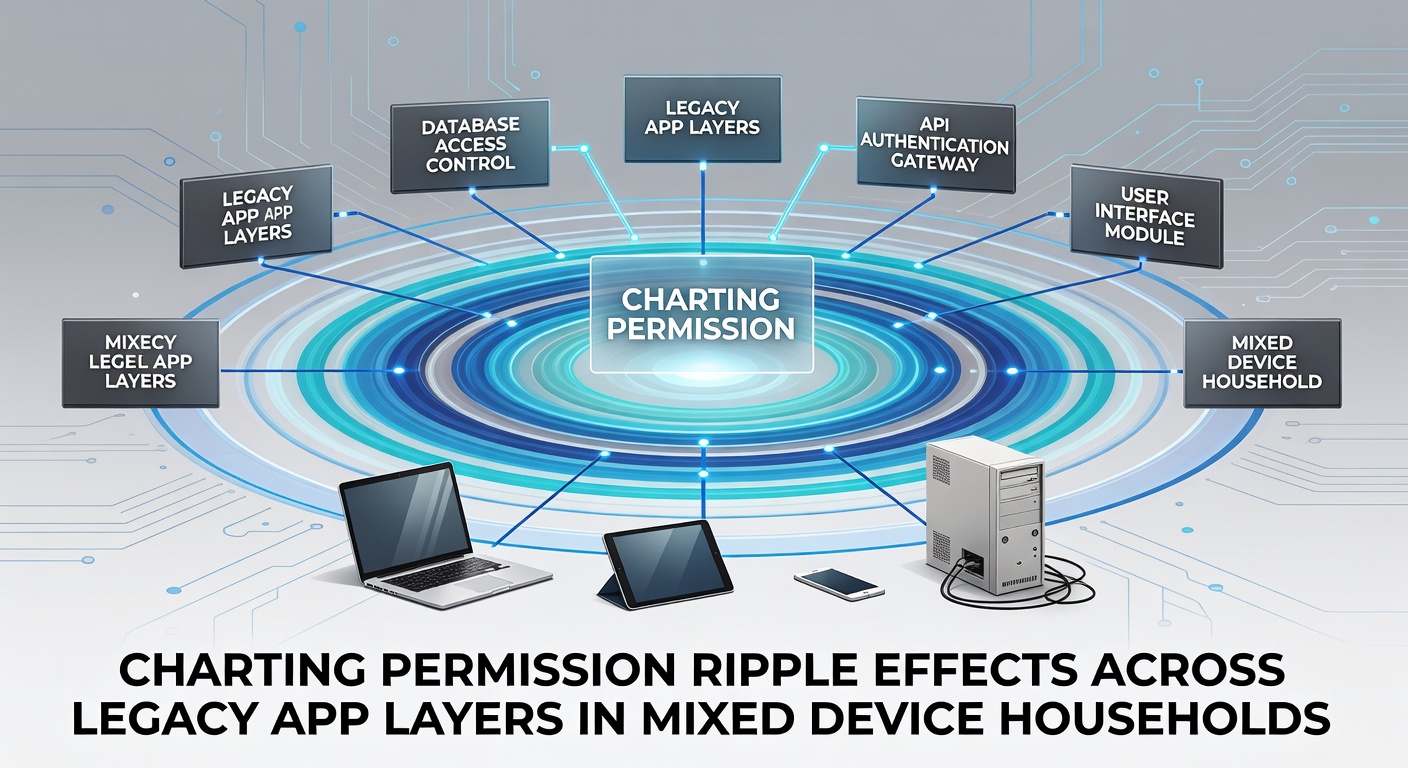
Exploring Permission Ripple Effects in Legacy Apps Across Mixed Device Households
Permission models in legacy applications continue to shape data access patterns in homes where devices span multiple generations and operating systems. Researchers have documented how older apps, built under earlier permission frameworks, interact with newer layers in ways that create unexpected data pathways across tablets, smartphones, and connected appliances.
Permission Structures in Legacy Software
Legacy apps often rely on coarse-grained permission systems that request broad access at installation time. Data from the Australian Cyber Security Centre shows these requests frequently encompass storage, contacts, and location without granular controls. Households mixing devices running Android versions before 6.0 with current releases experience permission inheritance when data migrates between apps during updates or backups.
Experts tracking these interactions note that once an older app gains storage access, subsequent layers in the ecosystem may inherit visibility to files created or modified by that app. This occurs because file system permissions persist across device migrations even as the underlying operating system evolves.
Device Heterogeneity and Layer Interactions
Mixed device environments introduce variables because each platform enforces permissions differently. One study from the University of Toronto's Citizen Lab examined households containing iOS devices alongside older Android tablets and found that permission grants on legacy layers sometimes bypassed runtime checks present in newer software. The result appears as synchronized data exposure when shared cloud services pull information from multiple endpoints.
Observers tracking these patterns in 2026 report continued relevance as households retain functional older devices for specific tasks. Smart home hubs from earlier generations add another layer where permission settings on connected mobile apps influence sensor data routing.
Documented Ripple Patterns
Permission changes in one app can propagate through shared libraries or background services. Research published by Canada's Communications Security Establishment indicates that legacy apps using deprecated APIs sometimes maintain persistent tokens that newer apps query indirectly through inter-process communication channels. These tokens carry forward access rights granted years earlier.
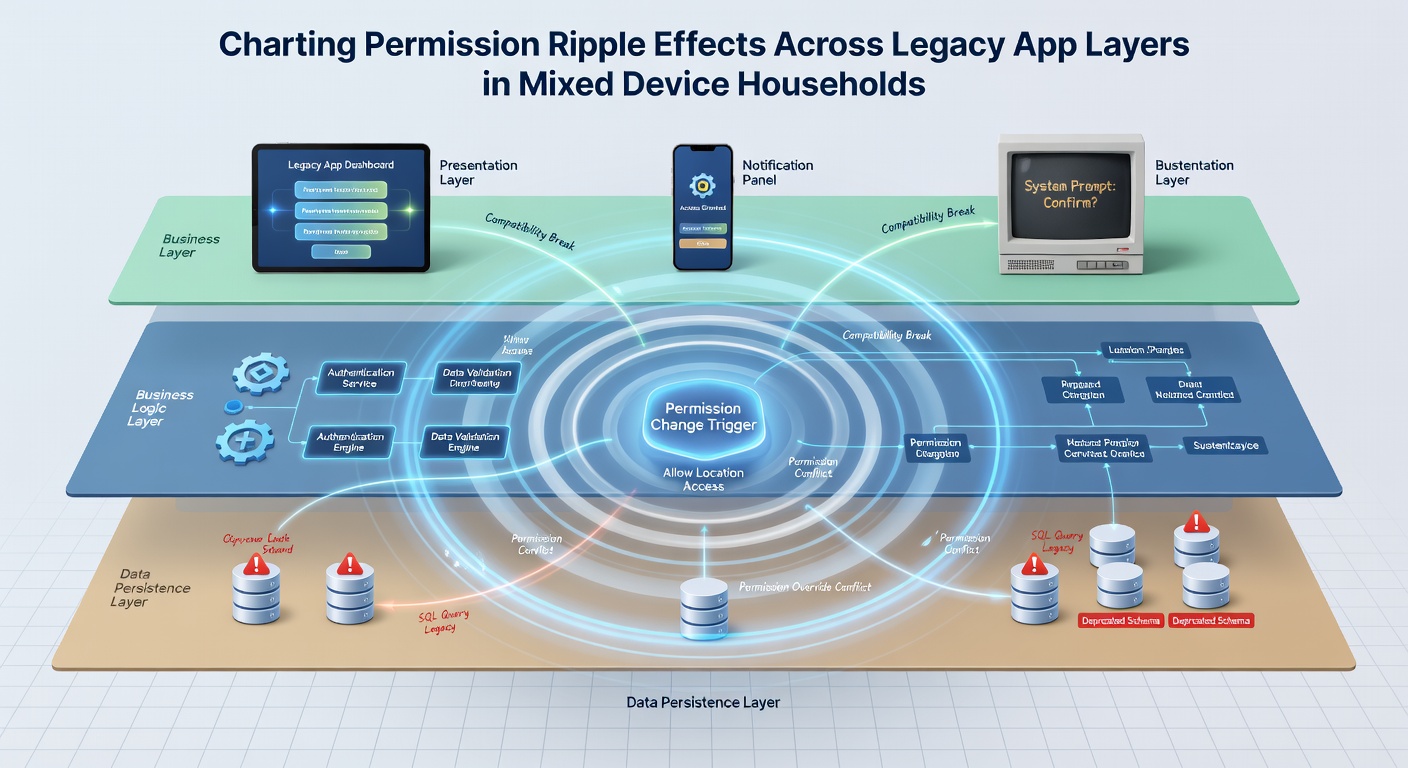
Figures from the European Union Agency for Cybersecurity reveal similar patterns in enterprise-adjacent home setups where employees use personal devices. Legacy productivity apps request calendar and email permissions that then surface in analytics modules added during later updates. The ripple extends when family members share the same device accounts across generations of hardware.
Mapping Techniques and Visibility Tools
Security researchers have developed mapping approaches that trace permission grants across app versions and device types. These tools log permission states at each layer and identify where legacy grants create downstream effects. One approach involves auditing manifest files alongside runtime permission logs to detect inheritance chains that standard dashboards overlook.
Households seeking clearer visibility sometimes employ network monitoring combined with app behavior analysis. This combination surfaces cases where location data requested by an older navigation app flows into advertising modules present only on newer companion applications.
Conclusion
Permission interactions across legacy and modern layers continue to influence data exposure in homes equipped with devices of varying ages. Systematic mapping reveals consistent patterns of inheritance and propagation that operate independently of user intent at the time of initial grants. Ongoing documentation from regulatory and research bodies provides households with reference points for understanding these dynamics as device ecosystems evolve.