Permission Shifts in App Updates: Monitoring Effects on Household Device Interactions and Data Pathways
Written by Lars Schröder · May 30, 2026
Permission Shifts in App Updates: Monitoring Effects on Household Device Interactions and Data Pathways
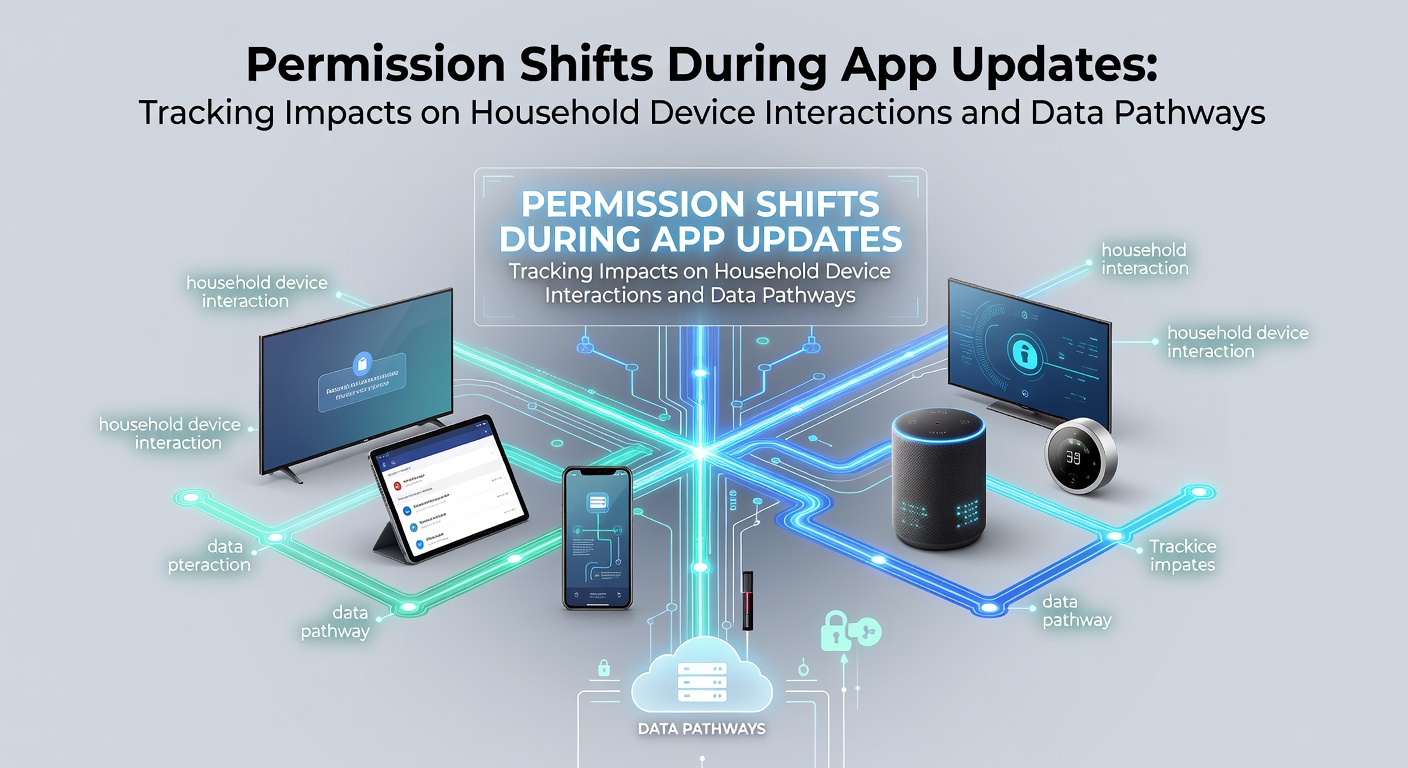
App updates frequently introduce changes to permission structures that alter how devices communicate within home environments, and observers note these modifications can redirect data flows across shared networks. Research from regulatory bodies indicates that developers often expand requested access to features such as location services, storage, and connected hardware when rolling out new versions, which in turn affects interactions between smartphones, tablets, smart speakers, and other connected items in the same household.
Understanding Permission Modifications in Update Cycles
Application platforms require explicit user approval for certain capabilities, yet updates can prompt fresh requests that were not part of the original installation, and studies show these prompts appear more often in operating systems released after 2023. According to data compiled by the Federal Trade Commission, developers adjust permission sets to support new functionalities like enhanced background processing or integration with external sensors, which changes the pathways through which information travels between devices on the same local network.
Those who have examined update logs across popular mobile platforms report that permission expansions commonly target categories including camera access, microphone control, and contact lists, while legacy permissions sometimes receive revised scopes that allow broader data sharing. In households with mixed device generations, these shifts create layered interactions where one updated application influences how other connected items process and relay information.
Effects on Device Interactions Within Shared Networks
Household setups typically include several devices that exchange signals through routers and cloud services, and permission changes during updates can modify the frequency and scope of these exchanges. Evidence from academic reviews published in 2025 highlights cases where an updated application on a primary smartphone began requesting persistent location data, which then influenced how smart home hubs authenticated and logged activity from secondary devices such as tablets or wearables.
Researchers tracking these patterns found that updated applications sometimes establish new background connections that bypass earlier restrictions, allowing data segments to move between devices without repeated user intervention. This occurs because permission frameworks on both Android and iOS ecosystems permit applications to inherit expanded rights once users grant approval during the update process, and the result appears in altered communication patterns across the local network.
Changes to Data Pathways and Routing Behaviors
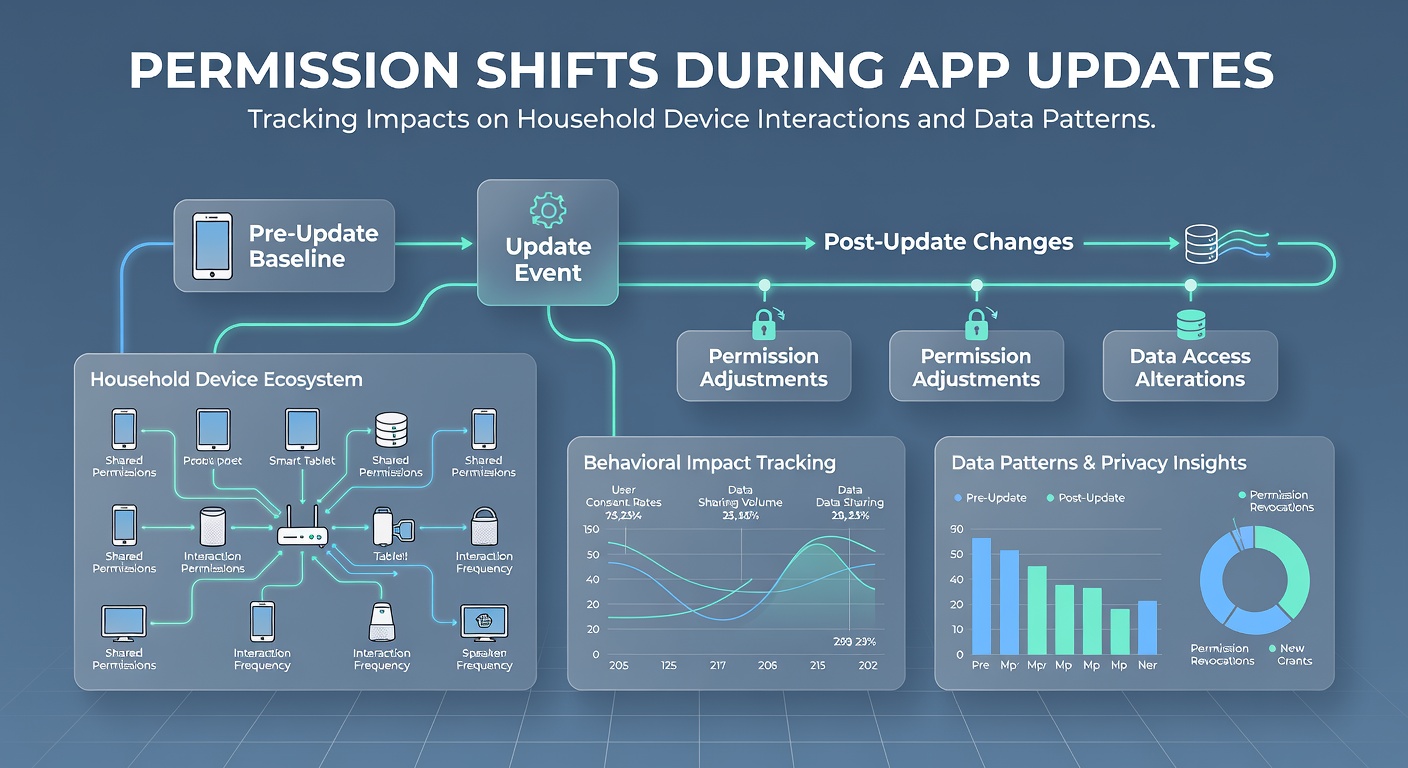
Data pathways describe the routes information takes from collection points through storage and transmission channels, and permission shifts during updates can reroute these flows in measurable ways. Figures released by the European Data Protection Board in early 2026 reveal that applications granted additional storage or network permissions after an update tend to direct larger volumes of telemetry through alternative servers, which affects how household routers prioritize and log traffic from multiple devices.
Those monitoring packet flows in controlled test environments have documented instances where an application update prompted a device to begin routing sensor data through third-party endpoints rather than keeping exchanges confined to the local network. This adjustment occurs because new permission sets enable direct internet access for functions that previously relied on device-to-device transfers, and the shift becomes visible in increased latency or altered bandwidth usage across connected household items.
Additional observations from industry reports indicate that such pathway modifications can compound when multiple applications receive updates within a short timeframe, creating overlapping requests that change authentication sequences between devices. In May 2026, updated guidelines from Australian privacy regulators emphasized the need for clearer disclosure of these routing changes during update prompts, noting that households with several active devices experience cumulative effects on overall network behavior.
Observed Patterns Across Different Household Configurations
Households with older devices alongside newer models often encounter permission conflicts that surface only after an update, and tracking tools used by security analysts show how these conflicts alter synchronization routines. One documented scenario involved a media streaming application that expanded its permission scope to include nearby device discovery, which then enabled automatic pairing with previously isolated smart displays without additional user steps.
Data collected from network monitoring studies demonstrates that permission expansions frequently lead to longer session durations for background processes, which in turn influences how routers allocate resources among all connected items. These patterns appear consistently across regions, with variations tied to local platform policies rather than specific device brands.
Conclusion
Permission shifts introduced during application updates continue to reshape device interactions and data pathways in household settings, as evidenced by reports from multiple regulatory and research sources. Continued monitoring of update behaviors provides clearer insight into how these modifications propagate through shared networks and connected ecosystems over time.