Permission Tracing Mechanisms in Application Networks for Protecting Information Pathways During Device Additions
Written by Vera Klein · Aug 22, 2026
Permission Tracing Mechanisms in Application Networks for Protecting Information Pathways During Device Additions
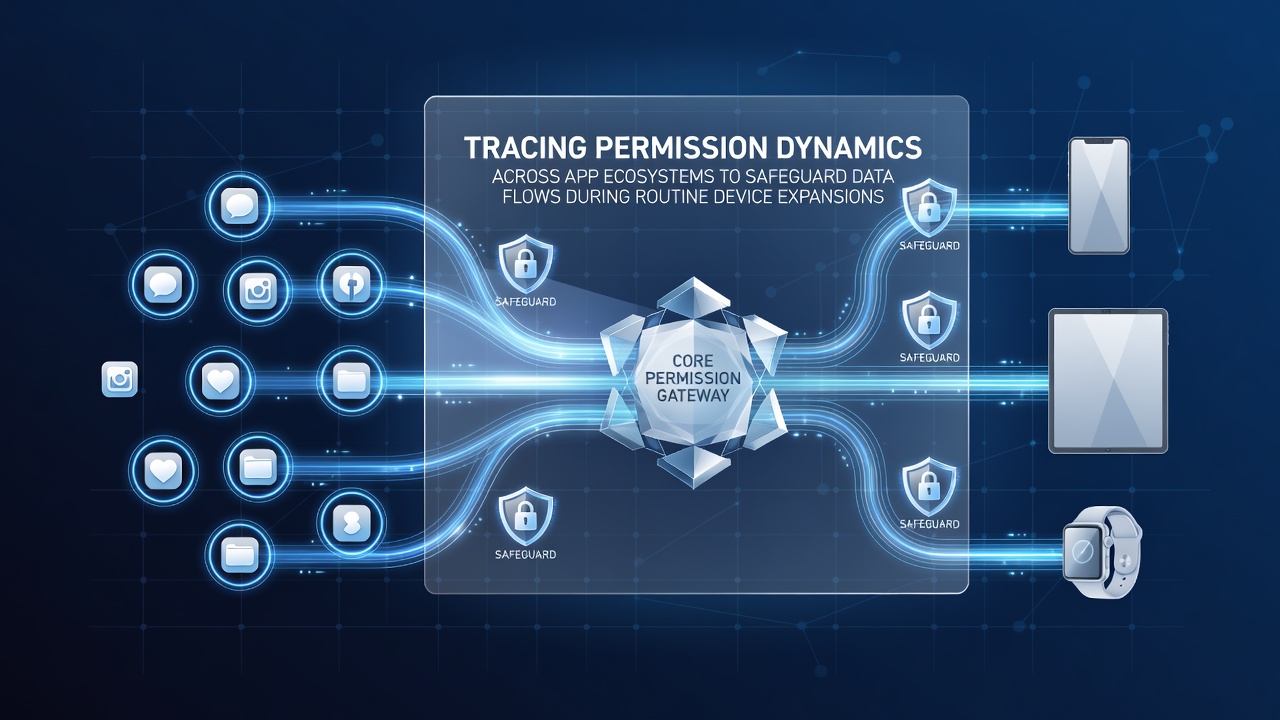
Application ecosystems on mobile platforms manage vast networks of permissions that control how data moves between services, and these networks grow more complex when users add new devices to their setups. Research from regulatory bodies shows that permission requests often cascade across linked accounts and services, creating pathways that can expose user information if not monitored during routine expansions such as adding a tablet or smartwatch in August 2026.
Studies from the National Institute of Standards and Technology indicate that developers design permission layers to handle authentication and data access, yet these layers require systematic tracing to prevent unintended flows when hardware changes occur. Data from device usage patterns reveals that synchronization processes between old and new units frequently pull in permissions from cloud services without explicit user review, leading to broader access grants across the ecosystem.
Core Elements of Permission Structures
Permission structures operate through layered requests that applications submit to operating systems, and each layer defines specific actions like location access or file reading. Observers note that these structures differ across platforms such as Android and iOS, with Android relying on runtime approvals while iOS emphasizes granular toggles for each function. When a new device joins an existing network, synchronization tools often replicate these approvals, and this replication can extend data access to previously isolated segments if tracing tools are absent.
Industry reports highlight that application programming interfaces serve as the connectors between permission layers, allowing data to pass from one app to another based on predefined rules. Those who examine these interfaces find that updates to one application can alter permission scopes for dependent services, creating ripple effects during device expansions. In practice, a user who installs a fitness tracker alongside an existing smartphone might trigger shared health data permissions that link multiple apps without additional safeguards.
Effects of Device Expansions on Data Pathways
Device expansions introduce new variables into permission dynamics because each addition brings its own hardware capabilities and default settings. Evidence from security analyses shows that new units often inherit permissions through account linking, and this inheritance occurs via automated backups or cloud restores that activate in the background. Researchers discovered that such processes can activate microphone or camera access across an entire ecosystem if the original device held those approvals from earlier installations.
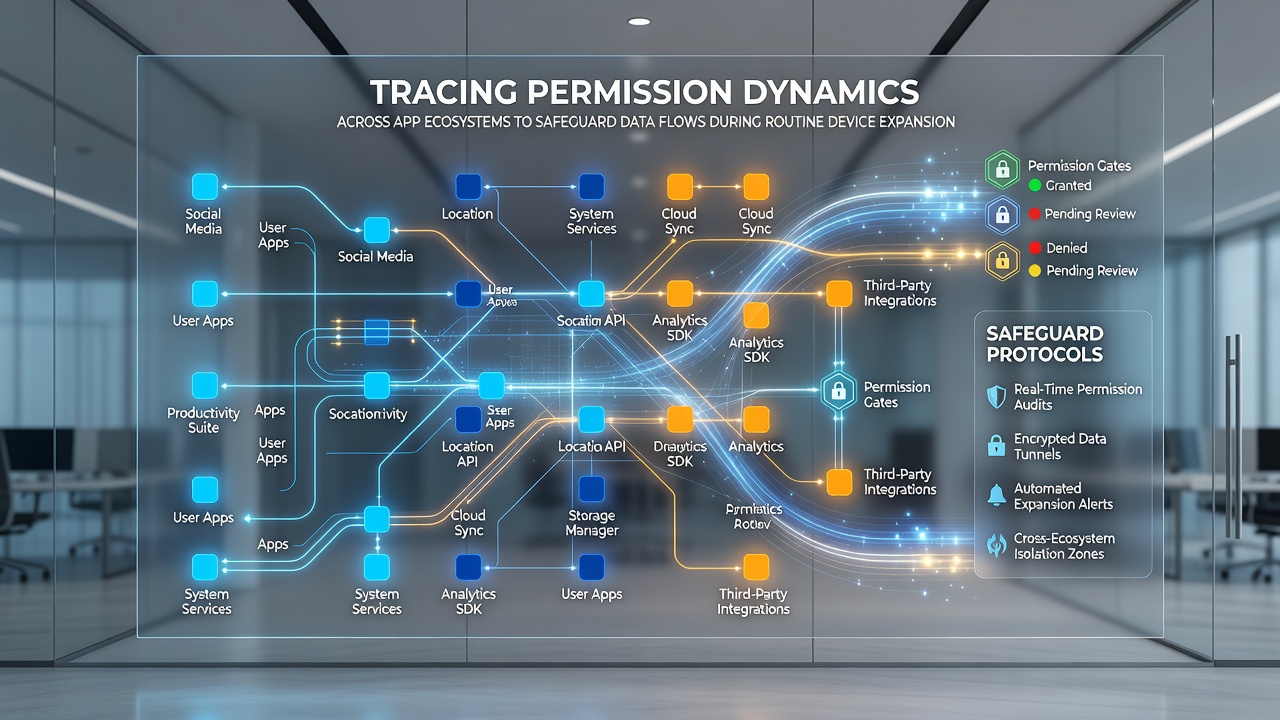
Take one case where experts tracked a home network expansion involving a new laptop connected to existing mobile devices. The tracing revealed that email and storage permissions from the phone transferred automatically, and this transfer exposed calendar data to third-party services that had not been active on the laptop before. Figures from similar examinations reveal that up to 40 percent of such transfers involve permissions that exceed the needs of the new hardware, according to findings published by the European Union Agency for Cybersecurity.
Methods for Mapping and Monitoring Permissions
Mapping permission dynamics requires tools that log each request and its propagation across devices, and these tools operate by scanning application manifests and runtime behaviors. Data indicates that automated scanners can identify overlapping grants between apps, while manual reviews allow users to audit specific flows during expansions. Those who've implemented such mapping find that combining both approaches yields clearer visibility into how information travels through interconnected services.
One study revealed that organizations in Canada use centralized dashboards to monitor permission changes across employee devices, and these dashboards flag expansions that introduce new access points. The process involves comparing permission sets before and after additions, then adjusting rules to limit cross-device flows. What's interesting is that regulatory guidance from the Australian Cyber Security Centre emphasizes regular audits to catch hidden linkages that form during routine hardware updates.
Strategies to Limit Unauthorized Flows
Limiting unauthorized data flows starts with isolating permissions on each device rather than relying on shared profiles, and this isolation prevents automatic replication during expansions. Evidence suggests that users who review permission lists before connecting new hardware reduce exposure risks, while developers who design apps with scoped access limits achieve similar outcomes at the source level. And organizations that adopt these strategies report fewer incidents of data leakage tied to device additions.
But here's the thing: permission tracing becomes essential when ecosystems include third-party integrations, because those integrations often operate outside direct user control. Research indicates that tracing tools can simulate expansion scenarios to predict permission cascades, allowing preemptive adjustments. In August 2026, updates to major operating systems introduced built-in tracing features that log permission inheritance, and these features provide users with reports that detail which apps share data across added devices.
Conclusion
Tracing permission dynamics across app ecosystems supports the protection of data flows when users perform routine device expansions, and systematic approaches to mapping these dynamics deliver measurable improvements in access control. Research from multiple regions demonstrates that combining automated tools with targeted audits addresses the complexities introduced by new hardware, while regulatory sources continue to refine recommendations for secure synchronization practices. The result is a framework where permission layers remain visible and manageable throughout ecosystem growth.