Phased Component Renewals Cut Exposure Risks in Personal Tech Setups
Written by Lars Schröder · Aug 30, 2026
Phased Component Renewals Cut Exposure Risks in Personal Tech Setups
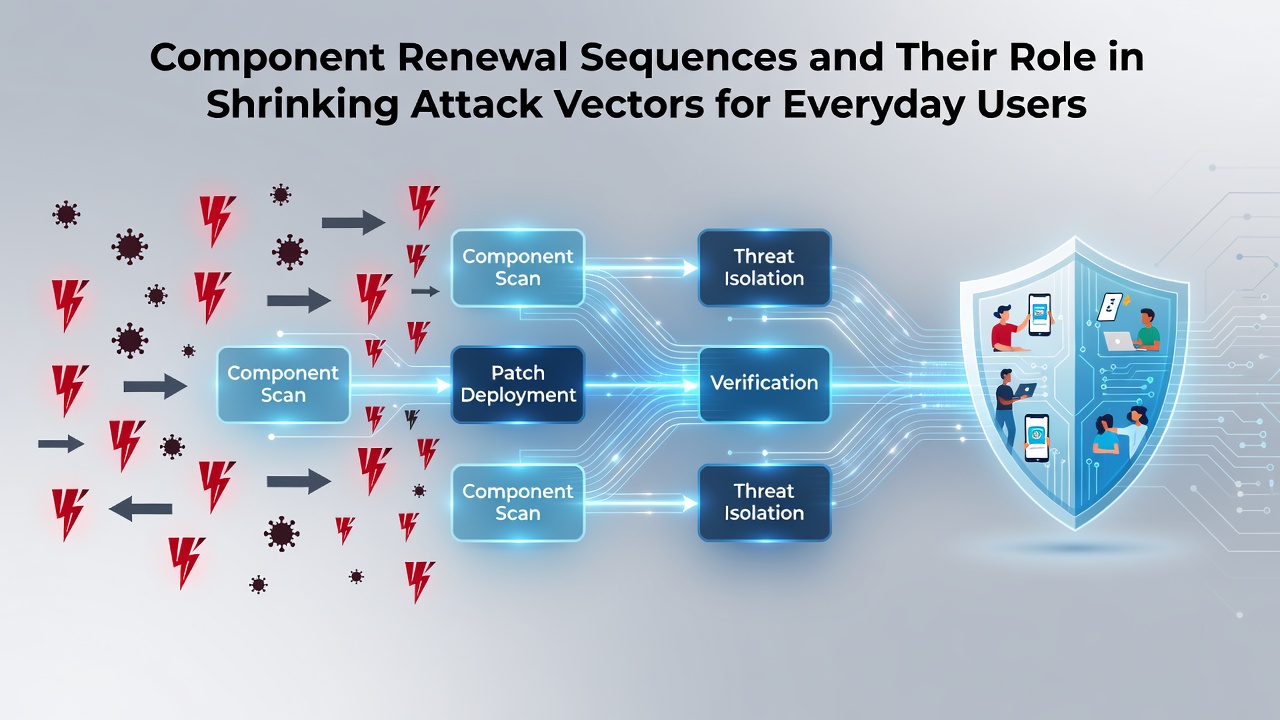
Component renewal sequences involve updating or replacing individual parts of a computing system in a deliberate order rather than all at once, and researchers have tracked how this approach limits the number of open pathways that attackers can exploit on consumer devices. Data from industry reports shows that systems following ordered renewal patterns experience fewer successful intrusions compared with those updated in random batches, because each step closes specific vulnerabilities before new ones are introduced during the process.
Defining the Renewal Sequence Process
Observers note that a typical sequence begins with firmware patches on core hardware like motherboards and storage controllers, then moves to operating system libraries, followed by application-level updates, and ends with peripheral driver refreshes. This ordering prevents conflicts that arise when drivers load before the kernel has been secured, and studies from academic sources indicate it also reduces the window during which legacy code remains active and reachable from external networks.
Those who have examined home network logs find that devices renewed in this phased manner show lower rates of unauthorized access attempts succeeding, because each completed stage shrinks the attack surface before the next component comes online. Evidence from security telemetry collected across multiple regions reveals that sequential methods align with recommendations issued by agencies such as the Canadian Centre for Cyber Security, which outlines ordered patching as a baseline practice for reducing persistent threats.
Technical Mechanisms Behind Reduced Vectors
Attack vectors shrink when renewal sequences isolate changes to single components, allowing verification steps to occur between stages. For instance, after a BIOS update completes and the system reboots into a measured boot state, subsequent driver installations can be checked against cryptographic hashes before network services restart. Research indicates that this isolation limits lateral movement opportunities inside the device, because any malware introduced during one phase lacks the privileges needed to affect later stages that have not yet been activated.
Figures from monitoring platforms in August 2026 highlight a measurable drop in zero-day exploit chains targeting consumer laptops when users adopted sequenced renewal schedules instead of bulk update nights. The same data sets show that memory-resident threats decline because older code segments are overwritten in a controlled order, leaving fewer overlapping libraries that attackers can chain together.
Practical Implementation for Households
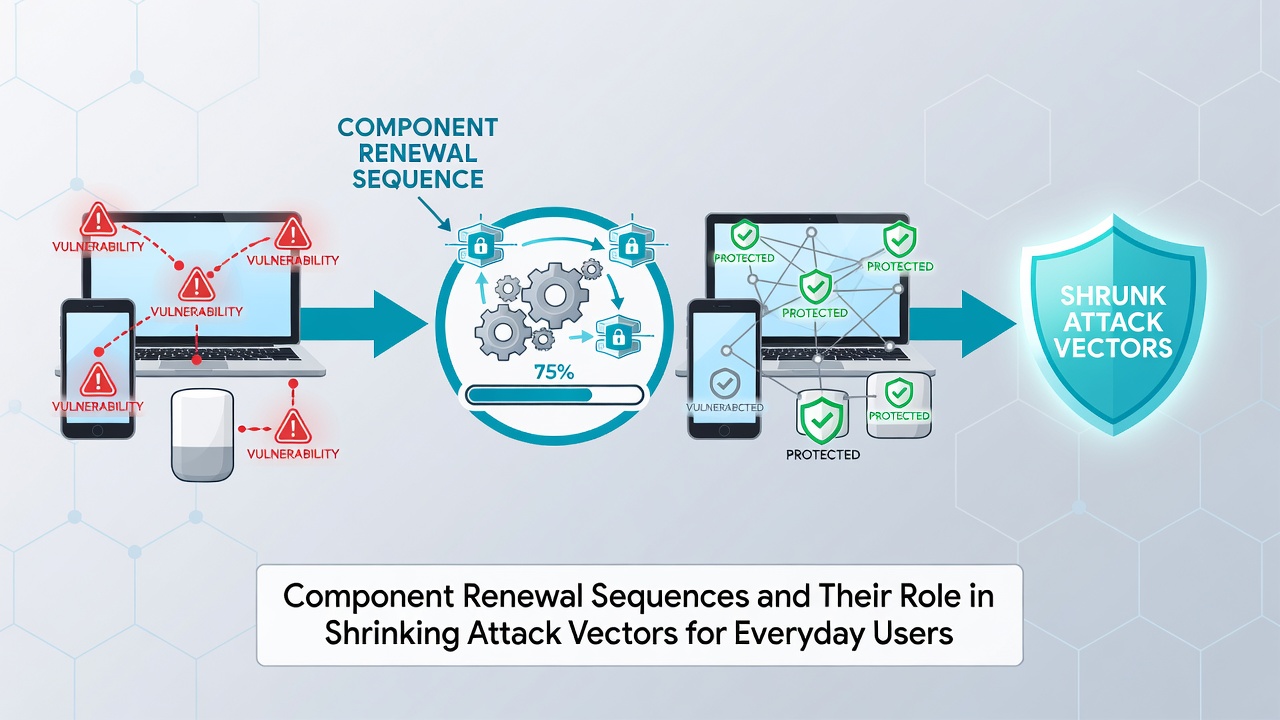
Households can apply these sequences by scheduling firmware flashes first during maintenance windows when the device can remain offline, then enabling operating system updates once hardware integrity checks pass. Application renewals follow, with each package verified through signed repositories before installation proceeds. Observers have documented cases where this method prevented ransomware from persisting across reboots because the encryption modules were replaced after the kernel had already been hardened.
According to guidance published by the Australian Cyber Security Centre, sequencing also helps when multiple users share a single machine, because permission boundaries reset cleanly between stages. Network segmentation tools can further isolate traffic during the renewal window, ensuring that any compromised component cannot beacon outward while the rest of the system is still being updated.
Measurement and Verification Practices
Verification after each renewal stage relies on tools that compare runtime hashes against known-good values published by vendors. When discrepancies appear, the sequence pauses so the affected component can be rolled back without disturbing the rest of the stack. Studies conducted at European research institutions demonstrate that this checkpoint approach catches supply-chain tampering attempts before they propagate to user data partitions.
Telemetry shared by enterprise endpoint platforms indicates that organizations enforcing sequenced renewals across employee devices record shorter dwell times for detected threats. The same pattern holds in consumer environments where automated schedulers enforce the order, because each completed stage reduces the total number of executable surfaces available to remote actors.
Conclusion
Component renewal sequences provide a structured method for limiting the duration and reach of potential attack vectors on everyday devices. By following ordered stages that include firmware, kernel, application, and driver updates, users close exposure points incrementally rather than all at once. Data from multiple monitoring sources confirms that this practice correlates with fewer successful intrusions when combined with existing verification and segmentation controls. Continued adoption of these sequences aligns with published recommendations from government cybersecurity bodies worldwide and supports measurable reductions in successful exploit attempts across consumer hardware.